

Dreams have always fascinated human beings. Across cultures and generations, people have tried to understand what dreams mean and how they connect to our waking lives. One of the most interesting aspects of dreams is the presence of animals.
The symbolism of animals in dreams can reveal deep insights into emotions, thoughts, and hidden aspects of the mind.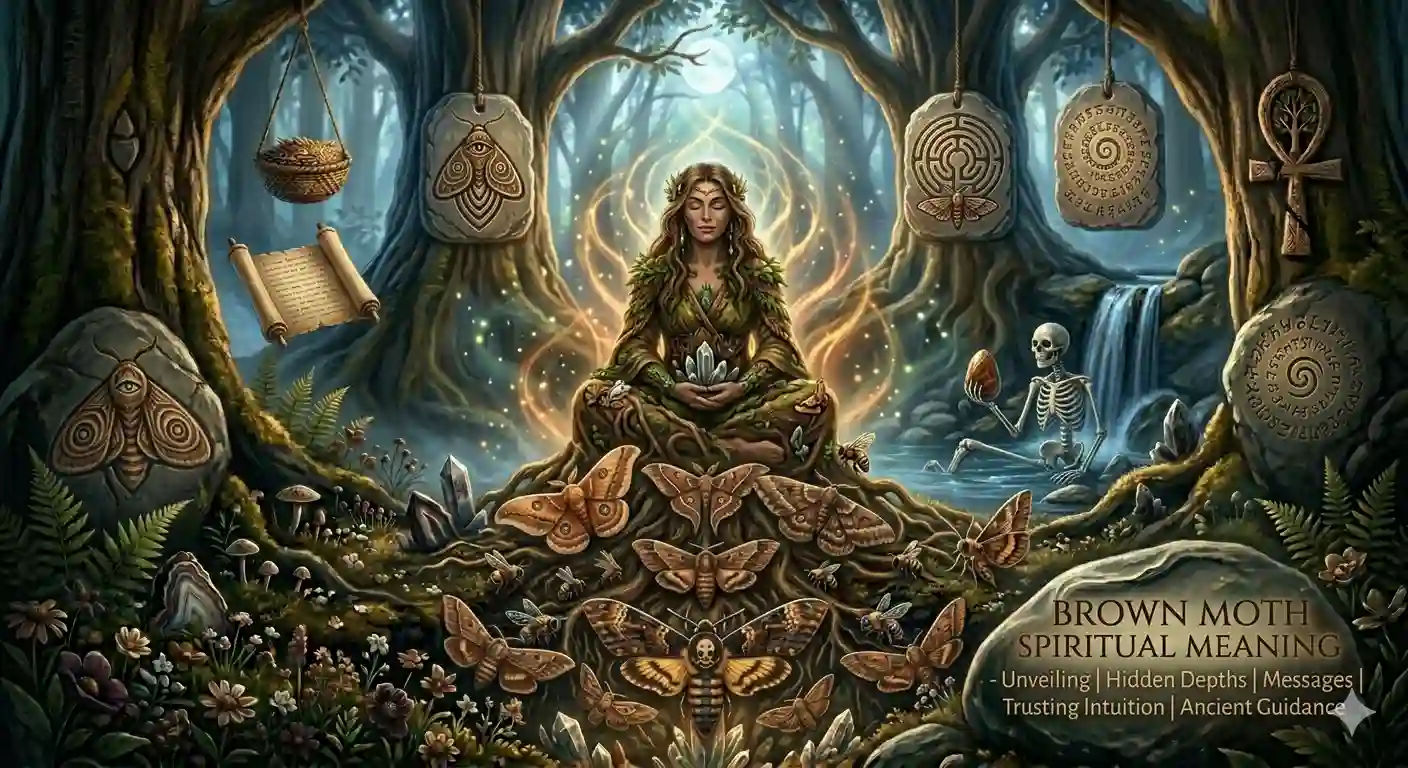
The symbolism behind these dream creatures often reflects instincts, fears, strengths, and desires that we may not fully recognize when we are awake.
Understanding symbolism in dreams is not about predicting the future. Instead, it is about interpreting messages from the subconscious.
Animals appear in dreams as powerful symbols because they are closely connected to nature and basic human instincts. By learning how symbolism works in animal dreams, you can better understand yourself and your emotional state.
This guide explores the symbolism of animals in dreams in a simple and clear way. It is designed to help you understand common interpretations, cultural meanings, and psychological explanations, all while keeping the language easy and relatable.
Why Animals Appear in Dreams
Animals show up in dreams because they represent natural instincts and emotions. Humans share a deep connection with animals, both biologically and culturally. This connection makes animals powerful carriers of symbolism in dreams.
Instincts and Emotions
Animals often symbolize instincts such as survival, fear, aggression, or affection. For example, a wild animal might reflect a strong emotion like anger, while a gentle animal might symbolize peace or comfort. The symbolism here is tied to how we view the animal in real life.
Subconscious Mind
Dreams are a way for the subconscious mind to communicate. Animals become symbols because they are easy for the brain to use when expressing complex feelings. The symbolism of an animal can represent something you are struggling to understand consciously.
Personal Experiences
The symbolism of animals in dreams can also depend on personal experiences. Someone who loves dogs may see them as symbols of loyalty, while someone who fears dogs may see them as symbols of danger. This makes symbolism both universal and personal at the same time.
Common Animal Symbols in Dreams
Certain animals appear frequently in dreams, and their symbolism is widely recognized. However, meanings can vary depending on the situation and emotions involved.
Dogs in Dreams
Dogs often represent loyalty, friendship, and protection. The symbolism of a dog depends on its behavior.
- A friendly dog may symbolize trust and companionship
- An aggressive dog may symbolize conflict or fear
- A lost dog may symbolize loneliness
The symbolism here reflects relationships and emotional bonds.
Cats in Dreams
Cats are often associated with independence and mystery. The symbolism of cats can include intuition and hidden thoughts.
- A calm cat may symbolize inner peace
- A hostile cat may symbolize deception or distrust
- A playful cat may symbolize curiosity
The symbolism of cats often connects to personal freedom and emotional awareness.
Snakes in Dreams
Snakes carry strong symbolism across many cultures. They can represent transformation, danger, or healing.
- A snake shedding skin may symbolize growth
- A biting snake may symbolize fear or betrayal
- A calm snake may symbolize wisdom
The symbolism of snakes is often intense and emotionally powerful.
Birds in Dreams
Birds are usually symbols of freedom and perspective. The symbolism of birds depends on their movement.
- Flying birds may symbolize freedom
- Caged birds may symbolize restriction
- Singing birds may symbolize happiness
The symbolism of birds often relates to thoughts and aspirations.
Cultural Perspectives on Animal Symbolism
Different cultures have unique interpretations of animal symbolism in dreams. These interpretations can influence how we understand our own dreams.
Eastern Traditions
In many Eastern cultures, animals are seen as spiritual guides. The symbolism of animals often connects to balance, harmony, and energy.
For example, a tiger may symbolize strength, while a crane may symbolize longevity. The symbolism here reflects respect for nature and spiritual growth.
Western Traditions
In Western cultures, animal symbolism often connects to psychology and personal traits. Animals are seen as representations of inner emotions and behaviors.
For example, a lion may symbolize courage, while a fox may symbolize cleverness. The symbolism here focuses on personality and self-awareness.
Indigenous Beliefs
Indigenous cultures often view animals as spiritual messengers. The symbolism of animals in dreams is deeply connected to nature and ancestry.
Animals may appear as guides, warning signs, or protectors. The symbolism here is often sacred and meaningful.
Psychological Interpretation of Animal Dreams
Psychology provides another way to understand symbolism in dreams. Experts believe that animals represent parts of the human mind.
The Role of Instincts
Animals in dreams often symbolize basic instincts. These include survival, fear, and desire. The symbolism reflects natural behaviors that humans share with animals.
Hidden Emotions
Dream animals may reveal emotions that are hidden or ignored. For example, a threatening animal may symbolize anxiety or stress. The symbolism helps bring these emotions to the surface.
Personality Traits
Different animals can symbolize different personality traits. A strong animal may represent confidence, while a weak animal may represent insecurity. The symbolism helps you understand yourself better.
Positive vs Negative Animal Symbolism
Not all animal dreams have the same meaning. The symbolism can be positive or negative depending on the context.
Positive Symbolism
Positive animal symbolism often reflects growth, strength, and happiness.
Examples include:
- A peaceful animal symbolizing calmness
- A powerful animal symbolizing confidence
- A playful animal symbolizing joy
The symbolism here encourages self-awareness and positivity.
Negative Symbolism
Negative symbolism may reflect fear, stress, or unresolved issues.
Examples include:
- A dangerous animal symbolizing fear
- A trapped animal symbolizing restriction
- A dying animal symbolizing loss
The symbolism here helps identify problems that need attention.
The Importance of Context in Symbolism
The meaning of animal symbolism in dreams depends heavily on context. The same animal can have different meanings based on the situation.
Behavior of the Animal
An animal’s actions play a major role in its symbolism. A calm animal may have a completely different meaning than an aggressive one.
Your Emotions in the Dream
Your feelings during the dream are very important. Fear, happiness, or confusion can change the symbolism significantly.
Environment
The setting of the dream also affects symbolism. A wild environment may symbolize freedom, while a confined space may symbolize limitation.
Repeating Animal Dreams
If you keep dreaming about the same animal, it may have a stronger meaning. Repetition strengthens the symbolism and suggests that your mind is trying to send an important message.
Patterns and Messages
Recurring dreams often highlight unresolved issues. The symbolism of the repeated animal may point to something you need to address.
Personal Growth
Repeated animal symbolism can also indicate growth. It may show that you are learning or evolving emotionally.
Spiritual Meaning of Animal Symbolism
For some people, animal symbolism in dreams has a spiritual meaning. Animals may be seen as guides or messengers.
Spirit Animals
Some believe that animals appearing in dreams represent spirit animals. These animals guide and protect individuals.
Messages from the Universe
Others believe that animal symbolism carries messages from a higher power. These messages may offer guidance or warnings.
Inner Wisdom
Even without spiritual beliefs, animal symbolism can reflect inner wisdom. Dreams can help you understand your intuition and instincts.
How to Interpret Animal Dreams
Understanding symbolism in animal dreams takes practice. Here are some simple steps to help you interpret your dreams.
Step 1: Recall the Dream
Write down as many details as possible. Include the animal, its behavior, and your emotions.
Step 2: Identify the Symbolism
Think about what the animal represents to you. Consider both common meanings and personal experiences.
Step 3: Connect to Your Life
Relate the symbolism to your current situation. Ask yourself what the dream might be trying to tell you.
Step 4: Reflect
Take time to reflect on the meaning. The symbolism may not be clear immediately.
Misconceptions About Animal Symbolism
There are many myths about dream symbolism. It is important to approach interpretations with an open mind.
Not Always Literal
Animal symbolism is rarely literal. A dream about a snake does not mean you will encounter a real snake.
No Single Meaning
There is no universal meaning for every animal. Symbolism can vary based on personal and cultural factors.
Avoid Overthinking
While symbolism is important, overanalyzing dreams can lead to confusion. Balance is key.
Conclusion
The symbolism of animals in dreams is a powerful tool for understanding the human mind. Animals represent instincts, emotions, and hidden thoughts that are not always visible in daily life. By exploring symbolism, you can gain insight into your fears, strengths, and desires.
Dreams are deeply personal, and their symbolism can vary from person to person. While common meanings provide guidance, your own experiences and emotions play a major role in interpretation. The symbolism of animals can help you better understand your subconscious and improve your self-awareness.
Whether viewed from a psychological or spiritual perspective, animal symbolism offers valuable insights. It encourages reflection, growth, and a deeper connection with your inner self. By paying attention to the symbolism in your dreams, you can unlock messages that guide you toward a better understanding of yourself and your life.
In the end, the symbolism of animals in dreams is not just about interpretation. It is about discovery. Each dream is an opportunity to learn something new about who you are and how you feel. Embrace the symbolism, and let it guide you toward clarity and personal growth.