

A urine test is one of the most commonly used medical diagnostic tools worldwide. It helps doctors understand what is happening inside your body without needing invasive procedures. A urine test can reveal a wide range of health conditions, from infections to kidney problems and even signs of chronic diseases.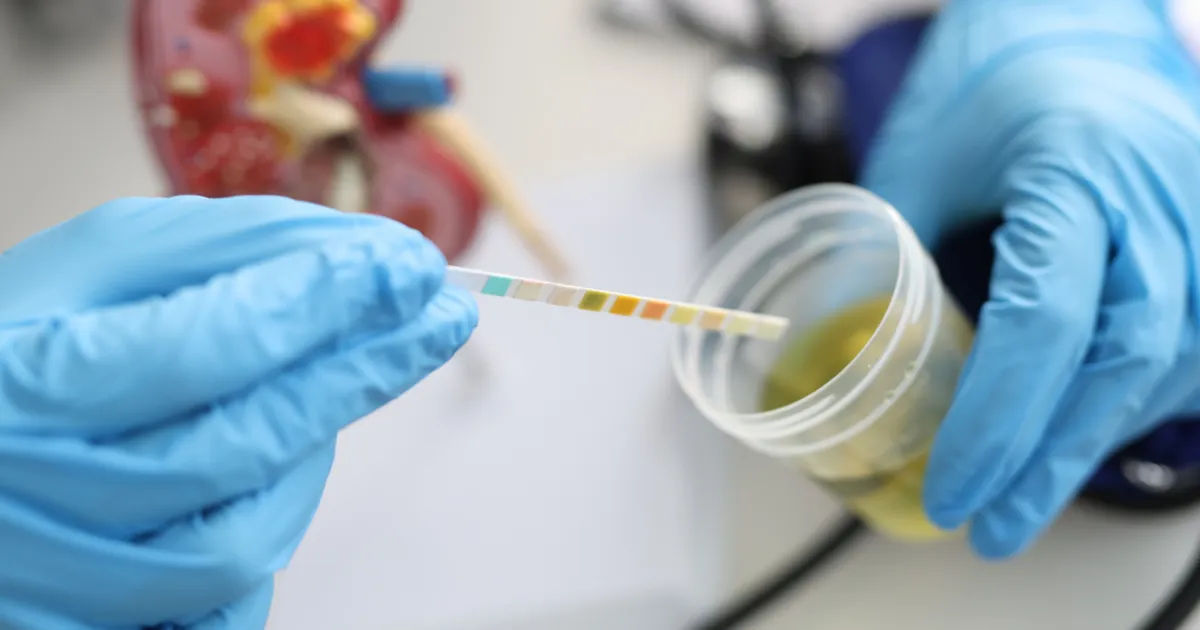
In some discussions online, people ask about topics like test integrity or urine sample handling, including can you freeze urine for a drug test, but medically speaking, the focus should always be on accurate and honest testing because results guide important health decisions. This guide explains what a urine test shows, how it works, and why it is so widely used in healthcare.
Urine and Its Role in the Body
Urine is a liquid waste product made by the kidneys. Its main job is to remove extra water, salts, and toxins from the bloodstream.
As blood flows through the kidneys, they filter out:
- Excess fluids
- Waste products from metabolism
- Toxins and chemicals
- Byproducts of medications
Because urine reflects what is happening in the body, it becomes a useful “window” into overall health.
What Does a Urine Test Show?
A urine test (also called urinalysis) can provide information in three major categories:
1. Physical Characteristics
This includes what the urine looks like:
- Color (clear, yellow, dark amber, etc.)
- Clarity (clear or cloudy)
- Odor
- Concentration (how diluted it is)
Changes in these features can indicate dehydration, infection, or other health issues.
2. Chemical Composition
Chemical testing uses dipsticks or lab equipment to detect substances such as:
- Protein
- Glucose (sugar)
- Ketones
- pH levels
- Blood
- Bilirubin
- Nitrites and leukocytes
Each of these markers tells something specific about health:
- Glucose may indicate diabetes
- Protein may suggest kidney disease
- Blood could signal infection or injury
- Nitrites/leukocytes often point to bacterial infections
3. Microscopic Examination
Under a microscope, lab technicians can detect:
- Red blood cells
- White blood cells
- Bacteria
- Crystals
- Casts (tiny tube-shaped particles from kidneys)
These findings help confirm infections, kidney disorders, or metabolic conditions.
Types of Urine Tests
Different urine tests are used depending on the medical need.
Routine Urinalysis
This is the most common test. It checks general health markers and is often part of a regular checkup.
Urine Culture
A urine culture is used to detect bacterial infections in the urinary tract. It helps identify the exact bacteria causing the infection so the right antibiotic can be prescribed.
24-Hour Urine Test
This test collects all urine produced in a day. It helps measure substances like:
- Protein levels
- Hormones
- Electrolytes
- Kidney function markers
Drug Screening Tests
These tests detect the presence of certain substances or medications in the body. They are commonly used in workplaces, sports, and medical settings.
What Conditions Can a Urine Test Detect?
A urine test is helpful in diagnosing or monitoring many conditions.
Urinary Tract Infections (UTIs)
UTIs are one of the most common reasons for urine testing. Signs include:
- Burning sensation during urination
- Frequent urge to urinate
- Cloudy or strong-smelling urine
Kidney Disease
Abnormal levels of protein or waste products may indicate kidney damage or reduced function.
Diabetes
High glucose levels in urine may suggest uncontrolled blood sugar levels.
Liver Problems
Certain substances like bilirubin can indicate liver dysfunction.
Dehydration
Dark, concentrated urine often signals insufficient fluid intake.
Pregnancy
Some urine tests detect hCG hormone, which confirms pregnancy.
How a Urine Test Is Performed
The process is simple and usually painless.
Step 1: Sample Collection
A clean container is provided to collect a midstream urine sample. This helps reduce contamination.
Step 2: Laboratory Analysis
The sample is tested using:
- Chemical strips
- Microscopes
- Automated machines
Step 3: Results Interpretation
A healthcare provider reviews the results and explains what they mean in relation to symptoms or medical history.
Factors That Can Affect Urine Test Results
Several things can influence accuracy:
- Dehydration or overhydration
- Certain medications
- Diet (beets, asparagus, etc.)
- Exercise intensity
- Timing of sample collection
Doctors always consider these factors when interpreting results.
Why Urine Testing Is Important in Healthcare
Urine testing is widely used because it is:
- Non-invasive
- Quick
- Cost-effective
- Highly informative
It helps detect problems early, often before symptoms become severe.
Early diagnosis can prevent complications and improve treatment outcomes.
Common Misunderstandings About Urine Tests
Many people misunderstand how urine testing works.
Some believe:
- It only detects infections (it detects much more)
- Results are always definitive (they may require follow-up tests)
- Diet or hydration has no effect (it does)
Another common online misconception involves sample handling discussions. In medical practice, ensuring proper collection and integrity of samples is essential for accurate results. Laboratories follow strict protocols to maintain reliability.
When Should You Get a Urine Test?
Doctors may recommend a urine test if you have symptoms like:
- Painful urination
- Abdominal discomfort
- Frequent urination
- Unexplained fatigue
- Swelling in the body
It is also commonly included in routine health screenings.
How to Prepare for a Urine Test
Preparation is usually minimal, but may include:
- Drinking normal amounts of water
- Avoiding extreme exercise before testing
- Informing your doctor about medications
- Following fasting instructions if required
Always follow your healthcare provider’s instructions for the most accurate results.
Limitations of Urine Tests
While very useful, urine tests are not perfect.
They may:
- Require confirmation with blood tests or imaging
- Be influenced by external factors
- Not identify all diseases on their own
Doctors often use them alongside other diagnostic tools.
Conclusion
A urine test is a simple yet powerful diagnostic tool that provides valuable insight into overall health. It can detect infections, monitor kidney function, identify metabolic disorders, and support early diagnosis of many conditions.
Because urine reflects the body’s internal processes, it serves as an important indicator for doctors when evaluating symptoms or monitoring ongoing health issues.
Although it is a routine test, its importance should not be underestimated. Proper collection, accurate analysis, and professional interpretation all ensure that results are meaningful and useful for medical decision-making.