

Modern vertical art has become one of the most effective ways to transform living spaces without major renovations. Whether you want to make a room appear taller, create a sophisticated focal point, or express your personality, vertical artwork offers endless decorating possibilities.
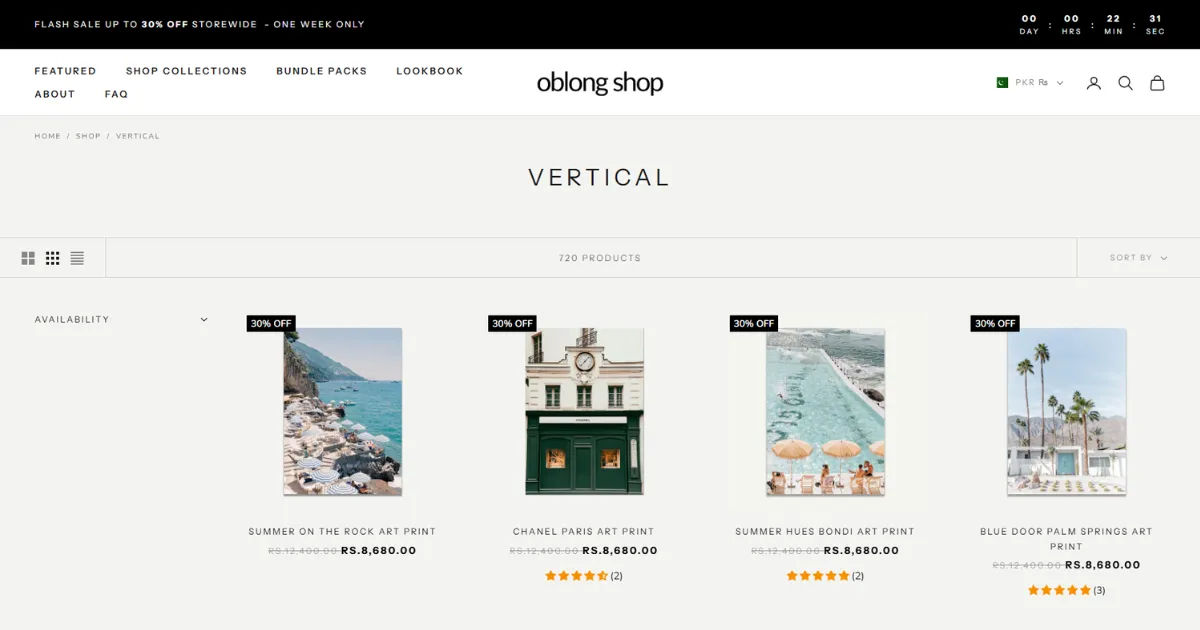
Unlike traditional horizontal pieces, vertical art naturally draws the eye upward, making ceilings appear higher while adding elegance and balance to interior spaces.Today's homeowners, interior designers, and apartment dwellers increasingly choose vertical art because it complements modern architecture, works well in narrow spaces, and creates visual interest where other décor may feel overwhelming.
From abstract paintings to botanical prints and minimalist photography, modern vertical artwork fits nearly every decorating style.This guide explores how vertical art improves home décor, where to place it, how to choose the perfect pieces, and why it remains one of today's most popular interior design trends.
Modern Vertical Art
Modern vertical art refers to artwork designed with a portrait orientation, where the height is greater than the width. This format differs from landscape-oriented artwork because it naturally emphasizes height and movement.
Modern styles often include:
-
Abstract paintings
-
Geometric designs
-
Minimalist illustrations
-
Nature photography
-
Botanical prints
-
Cityscape photography
-
Watercolor artwork
-
Mixed-media canvas pieces
-
Digital art
-
Textured wall panels
Because of its shape, vertical artwork works especially well in areas where horizontal pieces would appear too wide or visually heavy.
Why Vertical Art Is So Popular
Interior design trends continue evolving toward clean lines, open spaces, and functional beauty. Modern homes often feature taller walls, open floor plans, and minimal furniture. These spaces naturally benefit from vertical compositions.
Several reasons explain its growing popularity.
Creates the Illusion of Height
One of the biggest advantages of vertical art is its ability to make ceilings appear taller.
When the eye follows the artwork upward, the room instantly feels larger and more spacious. This simple visual effect works especially well in apartments and smaller homes where maximizing space matters.
Makes Narrow Walls More Attractive
Many homes have narrow wall sections between:
-
Windows
-
Doors
-
Built-in shelves
-
Hallways
-
Staircases
These spaces are often difficult to decorate.
A tall piece of vertical art fits perfectly while avoiding overcrowding.
Adds Sophisticated Style
Vertical compositions naturally create elegance.
Luxury hotels, art galleries, and upscale homes frequently use tall artwork because it produces a refined appearance without overwhelming the room.
How Vertical Art Changes Room Proportions
Interior designers understand that artwork influences how people perceive space.
Balances Empty Walls
Large blank walls can feel unfinished.
Instead of filling an entire wall with multiple decorations, one carefully selected vertical piece creates a clean, organized appearance.
Guides Eye Movement
Artwork influences where people look.
Tall artwork directs attention upward, making spaces feel more open and dynamic.
Creates Better Visual Flow
Modern interior design emphasizes movement.
Vertical compositions help connect furniture, lighting, ceilings, and architectural features into one cohesive design.
The Psychological Benefits of Vertical Art
Home décor affects emotions more than many people realize.
Beautiful artwork creates positive feelings every day.
Encourages Calmness
Minimalist paintings with soft colors reduce visual clutter.
Many homeowners choose abstract vertical pieces because they create peaceful environments.
Inspires Creativity
Interesting artwork stimulates imagination.
Unique textures, colors, and patterns encourage creative thinking while making rooms feel more personal.
Improves Mood
Research consistently shows that attractive surroundings positively influence mood.
Artwork reflecting nature, landscapes, or uplifting colors often creates relaxing environments.
Best Rooms for Vertical Art
Modern vertical artwork works throughout the home.
Living Room
The living room often serves as the home's centerpiece.
Vertical artwork works beautifully:
-
Beside fireplaces
-
Next to entertainment centers
-
Between windows
-
Near bookshelves
-
Beside sofas
Large statement pieces immediately become conversation starters.
Bedroom
Bedrooms benefit from calming artwork.
Popular choices include:
-
Soft botanical prints
-
Abstract landscapes
-
Neutral watercolor paintings
-
Minimalist line art
Vertical pieces also fit perfectly beside wardrobes and windows.
Dining Room
Dining spaces become more inviting with artwork that complements lighting fixtures and furniture.
Tall pieces add elegance without distracting from the dining experience.
Home Office
Modern offices should inspire focus and creativity.
Motivational artwork, geometric prints, or minimalist designs work exceptionally well in professional workspaces.
Hallways
Hallways often receive little decorating attention.
Vertical pieces transform long corridors into stylish gallery spaces.
Staircases
Staircase walls naturally support tall artwork.
Vertical designs follow the upward movement of stairs, creating a seamless visual transition.
Choosing the Right Vertical Art
Not every piece suits every room.
Several factors should guide your decision.
Consider Room Size
Large walls require larger artwork.
Small walls look better with medium-sized pieces that maintain visual balance.
Match Existing Colors
Artwork should complement existing décor rather than compete with it.
Choose colors already present in:
-
Rugs
-
Curtains
-
Pillows
-
Furniture
-
Decorative accessories
This creates harmony throughout the room.
Think About Style
Different decorating styles pair well with different artwork.
Modern homes often feature:
-
Black-and-white photography
-
Minimalist abstracts
-
Geometric art
-
Textured canvas paintings
Traditional homes may prefer botanical illustrations or elegant landscapes.
Popular Types of Modern Vertical Art
Today's market offers countless styles.
Abstract Art
Abstract artwork remains one of the most popular options because it complements almost every interior style.
It allows viewers to interpret shapes and colors personally.
Botanical Prints
Plants and flowers introduce natural beauty indoors.
Large leafy prints create relaxing environments.
Black-and-White Photography
Monochrome photography offers timeless sophistication.
It pairs well with contemporary furniture and neutral color palettes.
Geometric Designs
Sharp lines and bold shapes complement modern architecture.
These designs create clean, organized interiors.
Textured Canvas Art
Three-dimensional textures add depth beyond traditional paintings.
Textured artwork introduces additional visual interest while maintaining simplicity.
Selecting the Right Frame
Frames significantly affect the final appearance.
Popular options include:
Black Frames
Perfect for modern homes.
They create strong visual definition.
Natural Wood Frames
Wood introduces warmth while complementing Scandinavian and minimalist interiors.
Metal Frames
Metal frames provide sleek contemporary style.
They pair well with industrial décor.
Frameless Canvas
Gallery-wrapped canvas offers a clean, sophisticated presentation.
It works beautifully in minimalist homes.
Color Choices That Enhance Home Decor
Color influences mood and atmosphere.
Neutral Colors
Beige, gray, cream, and white create peaceful spaces.
Neutral artwork remains timeless.
Bold Colors
Bright blues, yellows, and reds become statement pieces.
These colors energize living rooms and creative spaces.
Earth Tones
Greens, browns, and terracotta create warmth and comfort.
They complement natural materials like wood and stone.
Decorating Small Homes with Vertical Art
Small spaces benefit enormously from strategic artwork placement.
Helpful tips include:
-
Use one large statement piece instead of several small frames.
-
Hang artwork slightly above eye level.
-
Choose lighter colors.
-
Avoid cluttering surrounding walls.
-
Coordinate with mirrors to reflect natural light.
These strategies make compact rooms appear significantly larger.
Combining Vertical Art with Other Decor
Artwork rarely stands alone.
It works best when combined thoughtfully with other decorative elements.
Mirrors
Mirrors reflect light while expanding visual space.
Pairing mirrors with artwork creates balanced wall arrangements.
Indoor Plants
Plants soften hard architectural lines.
Together, greenery and artwork create welcoming environments.
Accent Lighting
Wall sconces and picture lights emphasize artwork during evenings.
Proper lighting dramatically enhances colors and textures.
Shelving
Floating shelves beneath artwork create layered visual interest.
Decorative books, ceramics, and small plants complete the display.
Common Decorating Mistakes
Avoid these frequent errors.
Hanging Too High
Artwork should relate to nearby furniture.
Extremely high placement disconnects the composition.
Ignoring Scale
Tiny artwork disappears on large walls.
Oversized artwork overwhelms small spaces.
Balance remains essential.
Too Many Competing Pieces
Large collections can feel cluttered.
Sometimes one striking vertical piece creates a stronger impression than many smaller decorations.
Why Interior Designers Love Vertical Art
Professional designers frequently recommend vertical artwork because it offers exceptional versatility.
It works with:
-
Contemporary interiors
-
Scandinavian homes
-
Industrial lofts
-
Traditional houses
-
Farmhouse designs
-
Luxury apartments
-
Minimalist spaces
Very few decorating elements fit such a wide variety of styles.
Seasonal Flexibility
Modern artwork remains relevant throughout the year.
Unlike seasonal decorations, timeless vertical pieces work during every season.
Accessories like pillows, throws, and flowers may change, but quality artwork continues enhancing interiors year after year.
Investment Value
High-quality artwork can remain beautiful for decades.
Unlike many decorative accessories that follow temporary trends, carefully selected artwork often becomes a lasting part of the home.
Investing in durable materials, quality printing, and sturdy framing helps preserve its appearance for years.
Maintenance Tips
Keeping artwork attractive requires only basic care.
Follow these recommendations:
-
Dust frames regularly.
-
Avoid direct sunlight when possible.
-
Keep artwork away from excessive moisture.
-
Use proper wall anchors for heavy pieces.
-
Clean glass carefully with appropriate products.
-
Rotate artwork occasionally if exposed to strong sunlight.
Simple maintenance protects both color and structure.
Future Trends in Vertical Art
Interior design continues embracing larger walls, open layouts, and minimalist decorating.
Future trends include:
-
Sustainable materials
-
Handmade textured canvases
-
Large-scale abstract paintings
-
Mixed-media artwork
-
Digital-inspired designs
-
Earth-tone color palettes
-
Organic shapes
-
Nature-inspired compositions
These styles reflect growing interest in environmentally conscious and calming home environments.
Tips for Buying Vertical Art
Before purchasing artwork, ask yourself:
-
Does it fit the wall size?
-
Does it complement existing furniture?
-
Will I still enjoy it years from now?
-
Does the color palette match my room?
-
Is the frame appropriate for my decorating style?
-
Does it create the atmosphere I want?
Thoughtful decisions lead to more satisfying decorating results.
Conclusion
Modern vertical art has become far more than a simple wall decoration. It influences how a room feels, appears, and functions. By drawing the eye upward, creating visual balance, and adding personality, it transforms ordinary spaces into inviting environments filled with style and character.
Whether you live in a spacious home or a compact apartment, carefully selected vertical art helps maximize wall space while expressing your personal taste. From minimalist abstracts to botanical prints and contemporary photography, there are endless possibilities for every decorating style and budget.
The key is choosing artwork that complements your home's architecture, furniture, and color palette while reflecting your personality. With thoughtful placement and proper care, modern vertical art becomes a timeless investment that enhances comfort, beauty, and visual appeal for many years. Instead of leaving walls empty, use meaningful artwork to create rooms that feel complete, welcoming, and uniquely yours.