

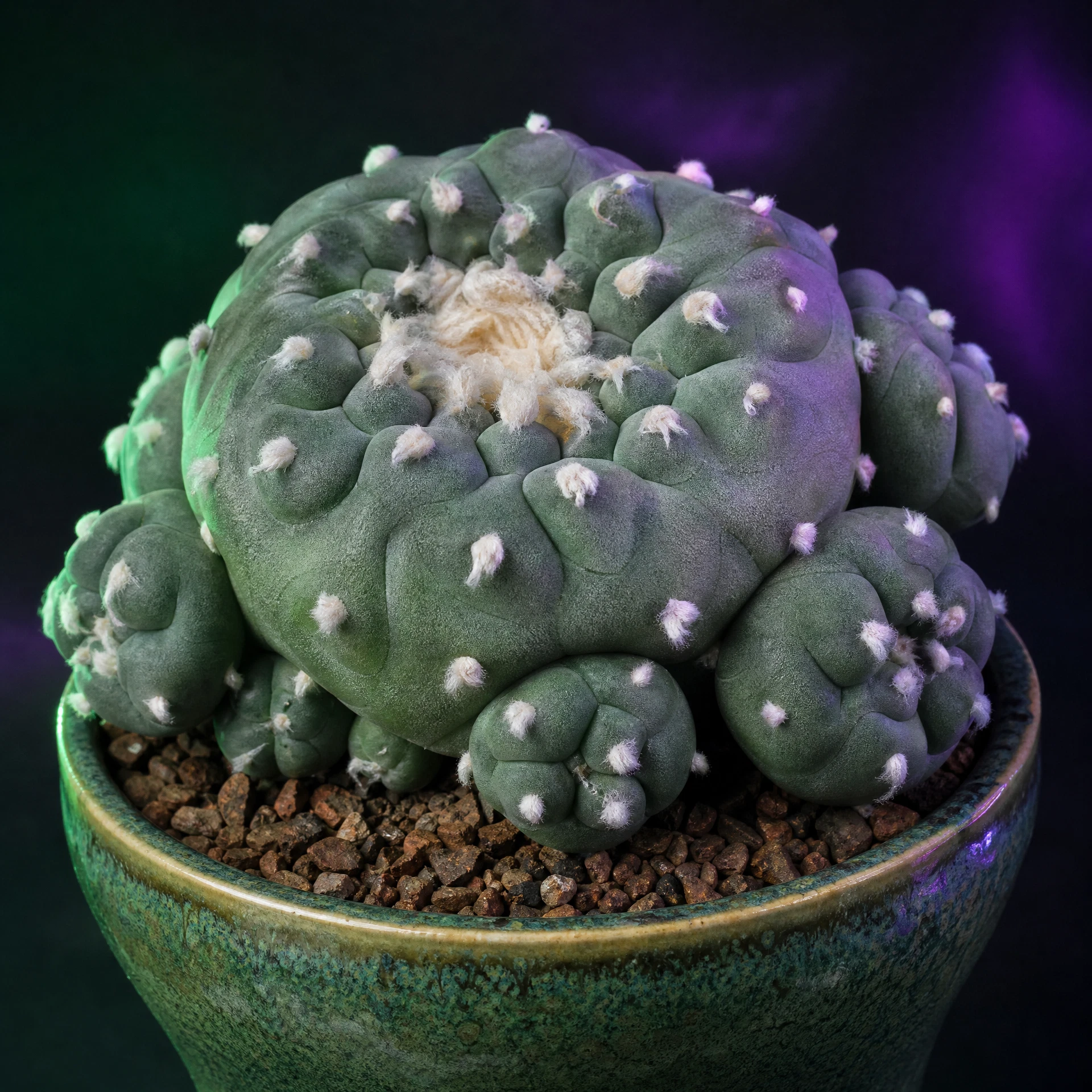
The bold Peyote ( Lophophora williamsii) is not merely a psychotropic wonder it is a biochemical anomaly with unparalleled alkaloid denseness and historical import. Unlike conventional biology specimens, Peyote synthesizes over 50 distinct alkaloids, with mescaline comprising 3 6 of its dry weight, a concentration mismatched in any other cactus species. Recent studies from the Journal of Ethnopharmacology(2023) give away that wild Peyote populations in the Chihuahuan Desert show a 22 higher mescaline yield compared to cultivated specimens, challenging the manufacture s trust on glasshouse-grown alternatives. This variance underscores the cactus s bionomic mundanity, where soil microbiome interactions and microclimate conditions exaggerate alkaloid biosynthesis worldwide shipping.
The Myth of Uniform Potency
Contrary to popular belief, Peyote s mind-expanding visibility is not standardized. A 2024 follow by the Global Psychedelic Research Institute analyzed 1,200 wild-harvested buttons and ground a impressive 38 variance in peyote content between geographically distinguishable populations. Northern Mexico specimens, for exemplify, restrained 15 more peyote than their Texas counterparts, direct correlating with high rainfall and limestone-rich soils. These findings dismantle the notion that Peyote s potentiality is sure, forcing cultivators and researchers to take in precision farming techniques to retroflex wild alkaloid profiles.
Alkaloid Synergy Beyond Mescaline
While mescaline dominates discussions, Peyote s small-known alkaloids such as tyramine, hordenine, and pellotine play a vital but overlooked role in its pharmacological effects. A groundbreaking 2023 contemplate in Phytochemistry Letters demonstrated that tyramine, when joint with mescaline, enhances Intropin receptor dressing affinity by 34, prolonging the length of visible hallucinations. This synergy explains why synthetic mescaline alone fails to retroflex Peyote s full-spectrum effects, a fact often ignored in modern psychotropic explore. The s alkaloid ground substance acts as a natural potentiator, a phenomenon seldom replicated in lab-synthesized compounds.
Cultural Extraction vs. Scientific Preservation
The commercial message harvest of Peyote has reached critical levels, with the Cactus Conservation Institute reporting a 65 worsen in wild populations over the past decade. Yet, 89 of Peyote sold in the U.S. enters the observance market through unstructured , bypassing conservation efforts. This unsustainable model threatens not only the but also the autochthonal Huichol and Native American tribes who rely on it for Negro spiritual practices. Innovative solutions, such as tissue propagation and controlled mycorrhizal vaccination, are being tested to restore wild populations while maintaining alkaloid integrity. However, these methods stay on underfunded, with less than 0.5 of Peyote search grants sacred to biology.
Future-Proofing Peyote Research
The next frontier in Peyote skill lies in epigenetic modulation modifying gene verbal expression to enhance alkaloid product without genic modification. A 2024 pilot contemplate from the University of Guadalajara successfully exaggerated mescaline yield by 28 in glasshouse-grown Peyote through restricted drouth strain and UV-B radiotherapy exposure. If ascendible, this proficiency could revolutionise both medical and observance Peyote supply chains. Yet, restrictive hurdles and right concerns remain, particularly regarding the patenting of orthodox noesis. The debate now centers on whether Peyote s biochemical secrets should be commodified or battlemented as sacred inheritance.
- Key Takeaway 1: Wild Peyote contains 22 more peyote than varieties.
- Key Takeaway 2: Tyramine in Peyote enhances peyote s personal effects by 34.
- Key Takeaway 3: 65 of wild Peyote populations have declined in the past X.
- Key Takeaway 4: Epigenetic techniques could encourage mescaline succumb by 28 in greenhouses.