

When a vehicle reaches the end of its lifespan, many owners are unsure what to do next. Some leave old cars sitting in garages or backyards, while others try to sell them for very little money. This is where car wreckers play a valuable role. They provide a practical, affordable, and environmentally responsible solution for handling damaged, unwanted, or non-running vehicles.
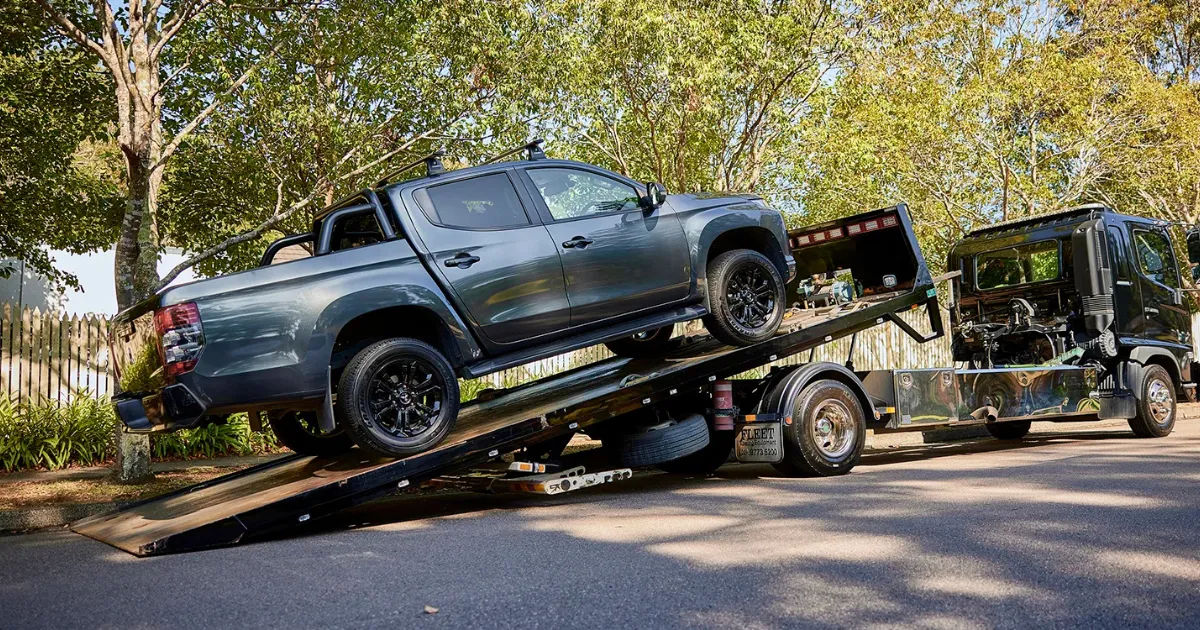
Whether a car has been in an accident, suffered major mechanical problems, or simply become too expensive to maintain, car wreckers help recover valuable materials while reducing waste.Beyond removing unwanted vehicles, car wreckers contribute to recycling, affordable auto repairs, and environmental protection. They recover reusable parts, recycle metals, and ensure hazardous materials are handled safely.
Their services benefit vehicle owners, repair shops, manufacturers, and the environment alike.This guide explains why car wreckers are so important, how they operate, and the many advantages they provide to individuals and communities.
The Role of Auto Car Wreckers
Auto wreckers specialize in collecting, dismantling, recycling, and disposing of old, damaged, and unwanted vehicles. Instead of allowing vehicles to end up in landfills, they carefully inspect each one to determine which parts can be reused and which materials should be recycled.
A modern wrecking facility follows organized procedures that maximize the recovery of valuable components. Engines, transmissions, alternators, batteries, radiators, doors, mirrors, and electronic systems are inspected before recycling begins.
The remaining metal body is crushed and processed so it can be reused in manufacturing new products.
Giving Old Vehicles a New Purpose
Every vehicle contains thousands of individual parts. Many remain in excellent condition even after a serious accident or years of use.
Instead of throwing everything away, wrecking professionals recover these components for resale. This gives usable parts a second life while reducing manufacturing demand for brand-new replacements.
Common reusable parts include:
- Engines
- Gearboxes
- Headlights
- Mirrors
- Air conditioning systems
- Suspension components
- Wheels
- Seats
- Dashboard electronics
- Door panels
This process keeps useful automotive components in circulation for years.
Supporting Environmental Sustainability
One of the biggest reasons car wreckers are important is environmental protection.
Vehicles contain numerous materials that can damage the environment if disposed of improperly. Engine oil, coolant, transmission fluid, brake fluid, batteries, and refrigerants require careful handling.
Professional wreckers remove these hazardous materials safely before recycling the vehicle.
Benefits include:
- Reduced landfill waste
- Lower pollution
- Less soil contamination
- Safer groundwater
- Reduced greenhouse gas emissions
By recycling vehicles responsibly, the automotive industry becomes much more sustainable.
Conserving Natural Resources
Manufacturing new automotive components requires enormous amounts of raw materials.
Steel
Aluminum
Copper
Rubber
Glass
Plastic
Mining and processing these resources consume energy and contribute to pollution.
When wreckers recycle existing metals and parts, manufacturers need fewer raw materials.
This conservation helps preserve natural resources for future generations.
Lowering Manufacturing Energy Consumption
Producing steel from recycled scrap uses significantly less energy than creating steel from raw iron ore.
The same applies to aluminum and several other automotive metals.
Every recycled vehicle contributes to:
- Reduced industrial emissions
- Lower electricity usage
- Less mining
- Smaller environmental footprint
This makes vehicle recycling an important part of sustainable manufacturing.
Making Vehicle Repairs More Affordable
Replacement parts from dealerships are often expensive.
Many drivers struggle with repair costs after an accident or mechanical failure.
Salvaged components offer an affordable alternative.
Professional wreckers thoroughly inspect reusable parts before selling them, allowing customers to purchase quality components at a fraction of new part prices.
Affordable parts help:
- Families save money
- Repair shops reduce costs
- Insurance companies minimize claims
- Older vehicles stay on the road longer
Helping Vehicle Owners Earn Money
Many people believe an old vehicle has no value.
In reality, unwanted vehicles still contain valuable metals and reusable parts.
Rather than paying storage fees or towing costs, owners can sell unwanted vehicles for cash.
This creates several advantages:
- Quick vehicle removal
- Immediate payment
- No advertising
- No repair expenses
- No private buyer negotiations
The entire process becomes simple and stress-free.
Reducing Landfill Waste
Automobiles occupy large amounts of space.
Without proper recycling programs, abandoned vehicles would quickly overwhelm landfill capacity.
Fortunately, most vehicle materials can be recycled.
These include:
- Steel
- Aluminum
- Copper
- Plastic
- Rubber
- Glass
Only a small percentage of modern vehicles ultimately becomes waste.
This dramatically reduces landfill pressure.
Supporting the Circular Economy
The circular economy focuses on reusing products instead of constantly producing new ones.
Vehicle recycling perfectly supports this concept.
A dismantled vehicle may contribute parts to hundreds of other vehicles.
Its metal may become:
- New cars
- Construction materials
- Household appliances
- Industrial equipment
Nothing goes to waste unnecessarily.
Protecting Public Safety
Abandoned vehicles can become safety hazards.
They may contain leaking fluids, broken glass, rusted metal, and unstable structures.
Old vehicles also attract pests and create neighborhood concerns.
Professional wreckers safely remove these vehicles before they become larger problems.
Communities remain cleaner and safer.
Preventing Hazardous Chemical Pollution
Vehicles contain several dangerous substances.
These include:
- Engine oil
- Brake fluid
- Power steering fluid
- Fuel
- Antifreeze
- Air conditioning refrigerant
- Battery acid
If these chemicals leak into the environment, they contaminate soil and waterways.
Professional dismantling ensures proper disposal and recycling of hazardous materials.
Supporting Automotive Repair Businesses
Repair shops frequently purchase recycled parts.
This allows mechanics to complete repairs quickly while helping customers save money.
Common recycled parts include:
Engines
Low-mileage engines often provide years of reliable service.
Transmissions
Used transmissions can significantly reduce repair costs.
Body Panels
Matching replacement panels are much cheaper than new factory parts.
Electrical Components
Alternators, starters, sensors, and switches are commonly reused.
This steady supply supports repair businesses across the country.
Creating Employment Opportunities
The vehicle recycling industry supports thousands of jobs.
These include:
- Mechanics
- Dismantlers
- Tow truck operators
- Metal recyclers
- Sales representatives
- Warehouse workers
- Equipment operators
- Environmental specialists
The industry contributes significantly to local economies.
Reducing Illegal Dumping
Without responsible disposal options, some vehicle owners abandon unwanted cars.
Illegal dumping creates environmental damage and expensive cleanup costs.
Accessible wrecking services encourage responsible vehicle disposal.
Communities remain cleaner while governments spend less on abandoned vehicle removal.
Preserving Valuable Metals
Vehicles contain large amounts of recyclable metal.
These materials can be processed repeatedly without losing quality.
Examples include:
- Steel
- Aluminum
- Copper
- Brass
Recycling these metals reduces mining demand while lowering industrial pollution.
Supporting Affordable Transportation
Not everyone can afford brand-new vehicle parts.
Used components allow older vehicles to remain reliable and roadworthy.
This benefits:
- Students
- Families
- Small businesses
- Delivery drivers
- Tradespeople
Affordable repairs help people keep dependable transportation.
Assisting Insurance Companies
After serious accidents, insurance companies often declare vehicles as total losses.
Rather than sending them to landfills, wreckers recover usable materials.
Insurance companies recover part of the vehicle's value through recycling.
This improves overall efficiency within the insurance industry.
Reducing Carbon Emissions
Vehicle recycling reduces carbon emissions in multiple ways.
Reusing existing materials requires less manufacturing energy.
Mining decreases.
Transportation of raw materials declines.
Industrial emissions become lower.
Every recycled vehicle contributes toward reducing environmental impact.
Encouraging Responsible Vehicle Ownership
Responsible vehicle ownership includes proper disposal at the end of a vehicle's life.
Professional recycling ensures every stage of the vehicle lifecycle is managed responsibly.
Owners gain peace of mind knowing their vehicles are processed safely.
Recovering Rare Components
Some older vehicles contain discontinued parts that manufacturers no longer produce.
Collectors and restoration enthusiasts rely on salvage yards to locate these rare components.
Without wreckers, restoring classic vehicles would become much more difficult.
Helping Small Automotive Businesses
Independent repair garages often depend on recycled inventory.
Affordable components allow them to compete with larger dealerships.
Customers benefit through:
- Lower repair costs
- Faster repairs
- Greater part availability
This strengthens local automotive businesses.
Supporting Disaster Recovery
Following floods, storms, or major accidents, large numbers of damaged vehicles require removal.
Professional wreckers assist communities by quickly clearing damaged vehicles.
Recovered materials enter recycling systems instead of becoming environmental hazards.
Improving Recycling Technology
Today's wrecking industry uses advanced equipment.
Modern recycling includes:
- Fluid recovery systems
- Computerized inventory management
- Metal separation technology
- Safe battery recycling
- Electronic component recovery
These improvements increase recycling efficiency while reducing waste.
The Auto Wrecking Process
Understanding how the process works shows why professional vehicle recycling is so effective.
Vehicle Collection
The unwanted vehicle is collected from the owner.
Necessary paperwork confirms ownership.
Inspection
Technicians examine the vehicle for reusable components.
Fluid Removal
Hazardous fluids are drained safely.
Parts Recovery
Usable mechanical and electrical parts are removed.
Material Separation
Metal, glass, rubber, plastic, and electronics are sorted.
Recycling
Metals are crushed, processed, and sent to manufacturers.
Every step maximizes material recovery.
Benefits for Future Generations
Vehicle recycling provides long-term environmental advantages.
Future generations benefit from:
- Reduced mining
- Cleaner air
- Less pollution
- Conserved natural resources
- Lower landfill usage
- Sustainable manufacturing
Responsible recycling creates lasting environmental improvements.
Choosing Reliable Auto Car Wreckers
Not every recycling facility operates the same way.
Look for companies that:
- Follow environmental regulations
- Offer transparent pricing
- Provide free vehicle removal
- Handle paperwork professionally
- Recycle responsibly
- Inspect reusable parts carefully
- Maintain organized facilities
Choosing experienced professionals ensures the vehicle is processed correctly.
Common Misconceptions About Auto Car Wreckers
They Only Buy Completely Damaged Cars
Many wreckers purchase vehicles in almost any condition, including old, running, or unwanted cars.
Recycled Parts Are Low Quality
Many salvaged parts come from lightly damaged vehicles and remain in excellent working condition.
Vehicle Recycling Is Bad for the Environment
Professional dismantling actually protects the environment through proper recycling and hazardous waste management.
Old Cars Have No Value
Even vehicles that no longer run contain valuable metals and reusable components.
The Future of Vehicle Recycling
As automotive technology continues evolving, the role of wreckers becomes even more important.
Electric vehicles, hybrid systems, advanced electronics, and lithium batteries require specialized recycling methods.
Modern recycling facilities continue investing in new technology to safely recover valuable materials from next-generation vehicles.
The industry will remain an essential part of sustainable transportation for decades to come.
Conclusion
Auto car wreckers play a vital role in today's automotive industry. They do much more than remove unwanted vehicles. They recover valuable parts, recycle metals, reduce environmental pollution, conserve natural resources, and make vehicle repairs more affordable. Their work supports families, businesses, repair shops, insurance companies, manufacturers, and entire communities.
By ensuring that old vehicles are dismantled responsibly, car wreckers help reduce landfill waste, lower carbon emissions, and protect natural ecosystems. They also contribute to a circular economy by giving reusable components and recyclable materials a second life instead of allowing them to become waste.
Whether you own an aging vehicle, need affordable replacement parts, or simply care about environmental sustainability, the services provided by car wreckers offer practical solutions with long-term benefits. As the automotive industry continues to evolve, their importance will only continue to grow, making them a key part of a cleaner, safer, and more sustainable future.