

If you love flavorful, fresh, and easy-to-share dishes, middle eastern appetizers are a wonderful addition to your kitchen. These small plates combine wholesome ingredients, aromatic herbs, creamy dips, crunchy vegetables, and warm bread to create meals that everyone can enjoy.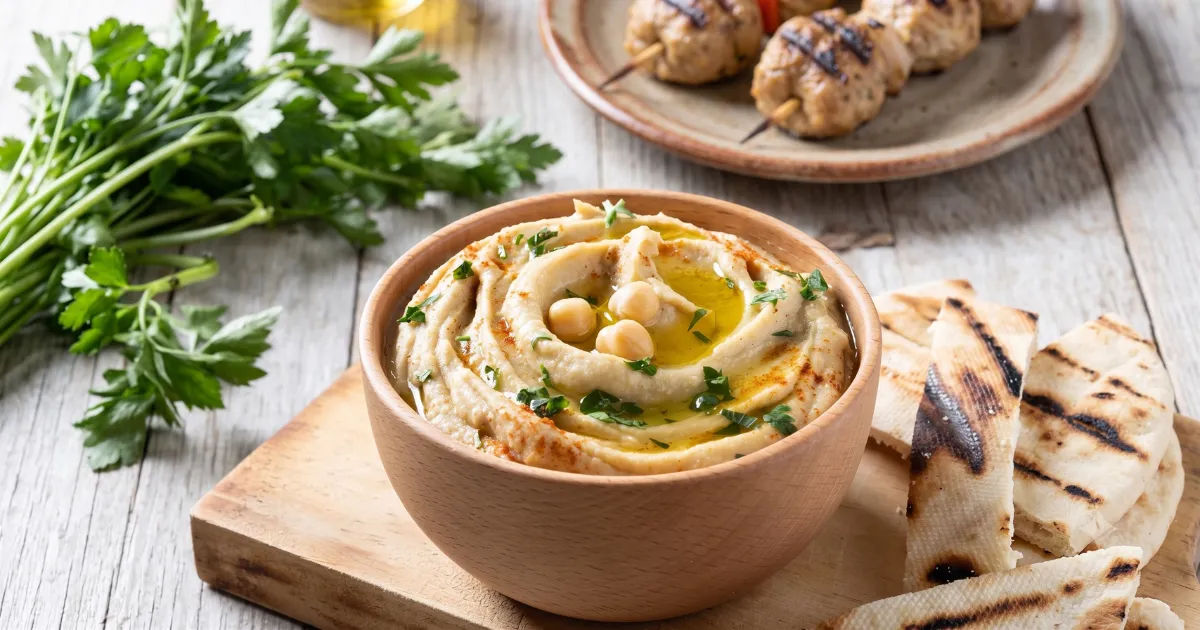
Whether you're preparing a family dinner, hosting guests, or simply looking for healthy snack ideas, homemade recipes offer freshness and authentic taste that store-bought options cannot match.Learning how to prepare middle eastern appetizers at home is easier than many people think. Most recipes use simple pantry ingredients like chickpeas, olive oil, yogurt, parsley, garlic, lemon juice, sesame paste, and fresh vegetables.
With a few basic techniques, you can recreate restaurant-quality dishes right in your own kitchen.This comprehensive guide explains everything you need to know about making delicious homemade appetizers inspired by Middle Eastern cuisine, including essential ingredients, cooking methods, serving ideas, and practical tips for beginners.
Why Homemade Middle Eastern Appetizers Are So Popular
Homemade appetizers have become increasingly popular because they combine fresh ingredients with bold flavors. Many traditional recipes have been passed down through generations and continue to be enjoyed worldwide.
Some of the biggest reasons people enjoy making these dishes at home include:
-
Fresh and natural ingredients
-
Easy preparation
-
Budget-friendly meals
-
Healthy nutritional profile
-
Suitable for sharing
-
Wide variety of vegetarian choices
-
Colorful presentation
-
Excellent meal prep options
Many recipes require very little cooking, making them perfect even for beginners.
What Makes Middle Eastern Cuisine Unique?
Middle Eastern cooking focuses on balance, freshness, and natural flavors instead of heavy sauces.
Common characteristics include:
Fresh Herbs
Parsley, mint, cilantro, and dill provide bright flavors.
Healthy Fats
Extra virgin olive oil is used generously in dips, salads, and marinades.
Warm Spices
Popular spices include:
-
Cumin
-
Coriander
-
Sumac
-
Paprika
-
Cinnamon
-
Allspice
-
Black pepper
These spices add depth without overwhelming the food.
Fresh Vegetables
Vegetables are central to many dishes.
Common choices include:
-
Tomatoes
-
Cucumbers
-
Eggplant
-
Bell peppers
-
Radishes
-
Onions
Legumes
Chickpeas, lentils, and beans provide protein and fiber.
Essential Ingredients for Homemade Appetizers
Stocking your pantry with a few staple ingredients makes preparing appetizers much easier.
Chickpeas
Used in hummus, falafel, salads, and stews.
Tahini
This creamy sesame paste gives dips their rich texture.
Olive Oil
High-quality olive oil enhances flavor while adding healthy fats.
Yogurt
Plain yogurt serves as the base for many sauces and dips.
Garlic
Fresh garlic delivers bold flavor throughout countless recipes.
Lemon Juice
Adds freshness and balances rich ingredients.
Fresh Herbs
Keep parsley and mint available whenever possible.
Warm Bread
Fresh pita bread is commonly served alongside dips.
Popular Homemade Middle Eastern Appetizers
There are dozens of classic dishes you can prepare at home.
Classic Hummus
Hummus is one of the world's best-known appetizers.
Ingredients:
-
Chickpeas
-
Tahini
-
Garlic
-
Lemon juice
-
Olive oil
-
Salt
Blend everything until smooth.
Serve with:
-
Pita bread
-
Fresh vegetables
-
Crackers
Baba Ganoush
Roasted eggplant creates a smoky and creamy dip.
Ingredients include:
-
Eggplant
-
Tahini
-
Garlic
-
Lemon juice
-
Olive oil
Roasting the eggplant before blending develops deep flavor.
Falafel
Falafel consists of crispy fried or baked chickpea patties.
Ingredients include:
-
Chickpeas
-
Parsley
-
Cilantro
-
Onion
-
Garlic
-
Cumin
-
Coriander
Serve with tahini sauce or yogurt.
Stuffed Grape Leaves
Tender grape leaves are wrapped around a seasoned rice mixture.
Fillings often include:
-
Rice
-
Parsley
-
Mint
-
Onion
-
Lemon juice
They can be served warm or chilled.
Labneh
Labneh is strained yogurt with a thick, creamy consistency.
Top it with:
-
Olive oil
-
Za'atar
-
Mint
-
Black olives
Serve alongside warm bread.
Fresh Salads That Make Excellent Appetizers
Salads play an important role in Middle Eastern meals.
Tabbouleh
This refreshing salad contains:
-
Parsley
-
Tomatoes
-
Bulgur wheat
-
Lemon juice
-
Olive oil
-
Mint
Fresh herbs should be the main ingredient.
Fattoush
Fattoush combines vegetables with crispy toasted pita bread.
Ingredients include:
-
Lettuce
-
Tomatoes
-
Cucumbers
-
Radishes
-
Sumac
-
Lemon dressing
Its crunchy texture makes it highly satisfying.
Easy Yogurt-Based Dips
Yogurt adds coolness and creaminess.
Simple combinations include:
Garlic Yogurt Dip
Mix:
-
Yogurt
-
Garlic
-
Lemon
-
Salt
-
Olive oil
Cucumber Yogurt Dip
Combine:
-
Yogurt
-
Cucumber
-
Mint
-
Garlic
These dips pair well with vegetables and grilled meats.
Homemade Bread for Serving
Fresh bread completes nearly every appetizer platter.
Popular breads include:
-
Pita
-
Flatbread
-
Lavash
Warm bread improves both texture and flavor.
Best Vegetables for Appetizer Platters
Fresh vegetables provide color and crunch.
Excellent choices include:
-
Cucumbers
-
Cherry tomatoes
-
Carrots
-
Bell peppers
-
Celery
-
Radishes
-
Olives
Arrange them neatly around your dips.
How To Make Crispy Falafel
Perfect falafel requires attention to detail.
Step 1
Soak dried chickpeas overnight.
Step 2
Drain completely.
Step 3
Blend with herbs and spices.
Step 4
Shape into balls.
Step 5
Bake or fry until golden brown.
Avoid canned chickpeas because they create soft falafel.
Tips for Creamy Hummus
Restaurant-quality hummus is simple if you follow these tips.
-
Peel chickpeas if desired.
-
Blend while ingredients are warm.
-
Add ice water slowly.
-
Use quality tahini.
-
Blend longer than expected.
The longer you blend, the smoother the texture.
Roasting Vegetables Properly
Roasting enhances natural sweetness.
Best vegetables include:
-
Eggplant
-
Peppers
-
Garlic
-
Onions
Cook until slightly charred for richer flavor.
Common Spice Blends
Several spice mixtures are used regularly.
Za'atar
Usually contains:
-
Thyme
-
Sesame seeds
-
Sumac
Baharat
A warm blend often includes:
-
Black pepper
-
Cinnamon
-
Cumin
-
Paprika
-
Nutmeg
These blends elevate many dishes.
Creating the Perfect Appetizer Platter
Presentation matters.
Arrange foods using different colors and textures.
Include:
-
Creamy dips
-
Fresh vegetables
-
Warm bread
-
Olives
-
Pickles
-
Nuts
Serve everything on a large platter.
Healthy Benefits
Many homemade recipes support healthy eating.
Benefits include:
Rich in Fiber
Chickpeas and vegetables improve digestion.
Healthy Fats
Olive oil contains heart-friendly fats.
Plant Protein
Legumes provide satisfying protein.
Vitamins
Fresh herbs and vegetables supply numerous vitamins.
Antioxidants
Colorful vegetables help fight oxidative stress.
Common Mistakes to Avoid
Avoid these beginner errors.
Using Too Little Lemon
Acidity balances rich flavors.
Overcooking Vegetables
Freshness should remain.
Skipping Fresh Herbs
Fresh herbs create authentic flavor.
Poor Quality Olive Oil
Quality oil greatly improves taste.
Underseasoning
Taste frequently while cooking.
Meal Prep Tips
Many dishes can be prepared ahead.
Good make-ahead choices include:
-
Hummus
-
Baba ganoush
-
Labneh
-
Tabbouleh
-
Stuffed grape leaves
Store them in airtight containers.
Kid-Friendly Appetizers
Children often enjoy simple flavors.
Try serving:
-
Hummus with carrots
-
Mini pita triangles
-
Mild yogurt dip
-
Cucumber slices
-
Baked falafel
Fun presentation encourages healthy eating.
Vegetarian and Vegan Choices
Many appetizers naturally fit vegetarian diets.
Popular options include:
-
Hummus
-
Baba ganoush
-
Falafel
-
Tabbouleh
-
Fattoush
Vegan recipes simply avoid dairy ingredients.
Pairing Drinks
Refreshing beverages complement appetizers.
Popular options include:
-
Mint lemonade
-
Sparkling water
-
Fresh fruit juice
-
Iced tea
Light drinks balance rich flavors.
Budget-Friendly Cooking
Homemade cooking saves money.
Affordable ingredients include:
-
Chickpeas
-
Lentils
-
Rice
-
Yogurt
-
Seasonal vegetables
Buying herbs in season also reduces costs.
Hosting a Middle Eastern Appetizer Party
Small plates encourage sharing.
Prepare several dishes instead of one large meal.
Suggested menu:
-
Hummus
-
Baba ganoush
-
Falafel
-
Tabbouleh
-
Labneh
-
Fresh vegetables
-
Warm pita
-
Olives
Guests can mix and match flavors.
Storage Tips
Proper storage maintains freshness.
Hummus:
Store up to five days.
Labneh:
Store one week.
Falafel:
Refrigerate three to four days.
Salads:
Best enjoyed within two days.
Always refrigerate leftovers promptly.
Frequently Asked Questions
Can beginners make these recipes?
Yes. Most require only simple chopping, blending, and mixing.
Can appetizers be frozen?
Falafel freezes well before or after cooking.
Hummus may change texture slightly after freezing.
Which dip is easiest?
Classic hummus remains one of the simplest.
Are these recipes healthy?
Most contain vegetables, legumes, herbs, and healthy fats.
Can they be gluten-free?
Yes.
Simply use gluten-free bread or serve with vegetables.
Conclusion
Making homemade middle eastern appetizers is an enjoyable way to bring fresh flavors, colorful ingredients, and wholesome recipes into your kitchen. From creamy hummus and smoky baba ganoush to crispy falafel, refreshing tabbouleh, and tangy labneh, there is an appetizer for every occasion and every skill level. Most recipes rely on simple ingredients that are easy to find, making them practical for everyday cooking as well as special gatherings.
The beauty of preparing these dishes at home lies in the ability to customize flavors, adjust seasonings, and use the freshest ingredients available. Homemade versions often taste better than store-bought alternatives while allowing you to control quality and nutrition. Whether you are serving family, entertaining guests, or preparing healthy snacks for the week, these appetizers offer versatility, convenience, and impressive presentation.
As you become more comfortable with the techniques, you can experiment with different herbs, spices, vegetables, and garnishes to create your own unique combinations. Over time, you'll discover that homemade middle eastern appetizers are not only delicious but also an excellent way to explore a rich culinary tradition built around sharing, hospitality, and fresh ingredients. With practice and creativity, these flavorful dishes can easily become a regular part of your weekly meals and celebrations.